N-ary Life
Those who succeed are like skilled craftspeople in the game of life.
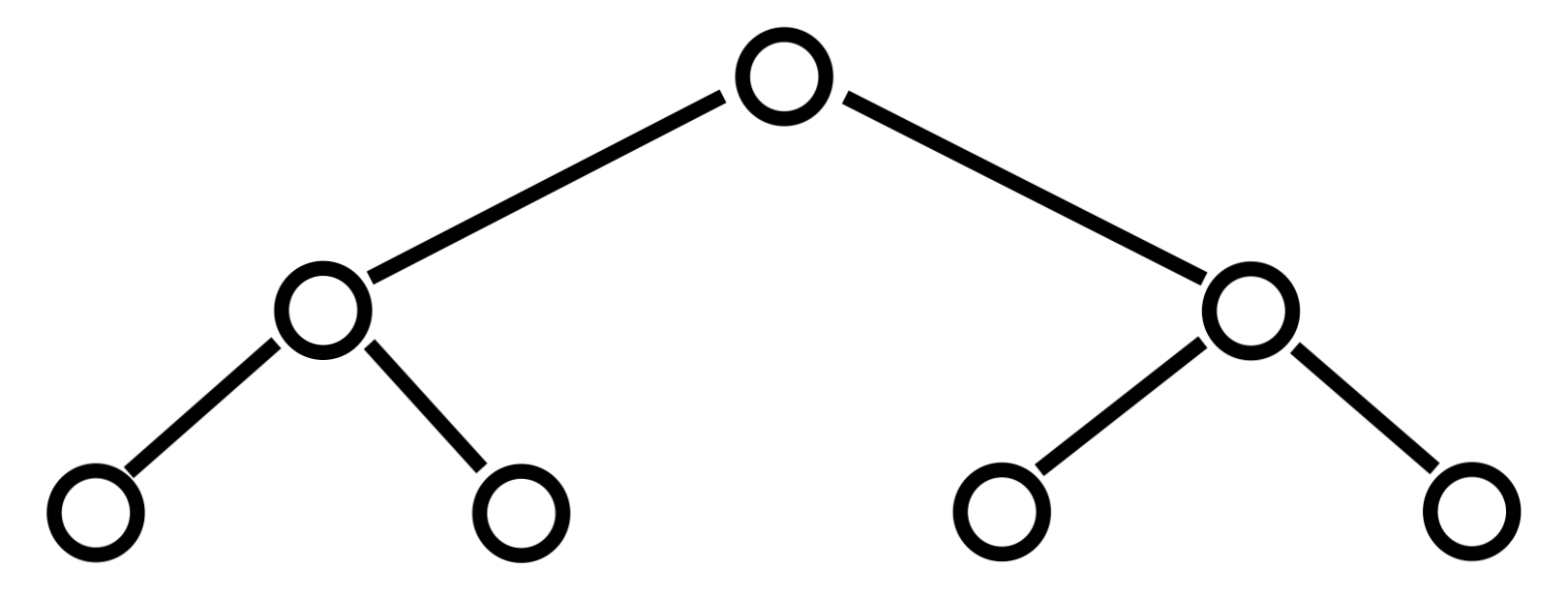
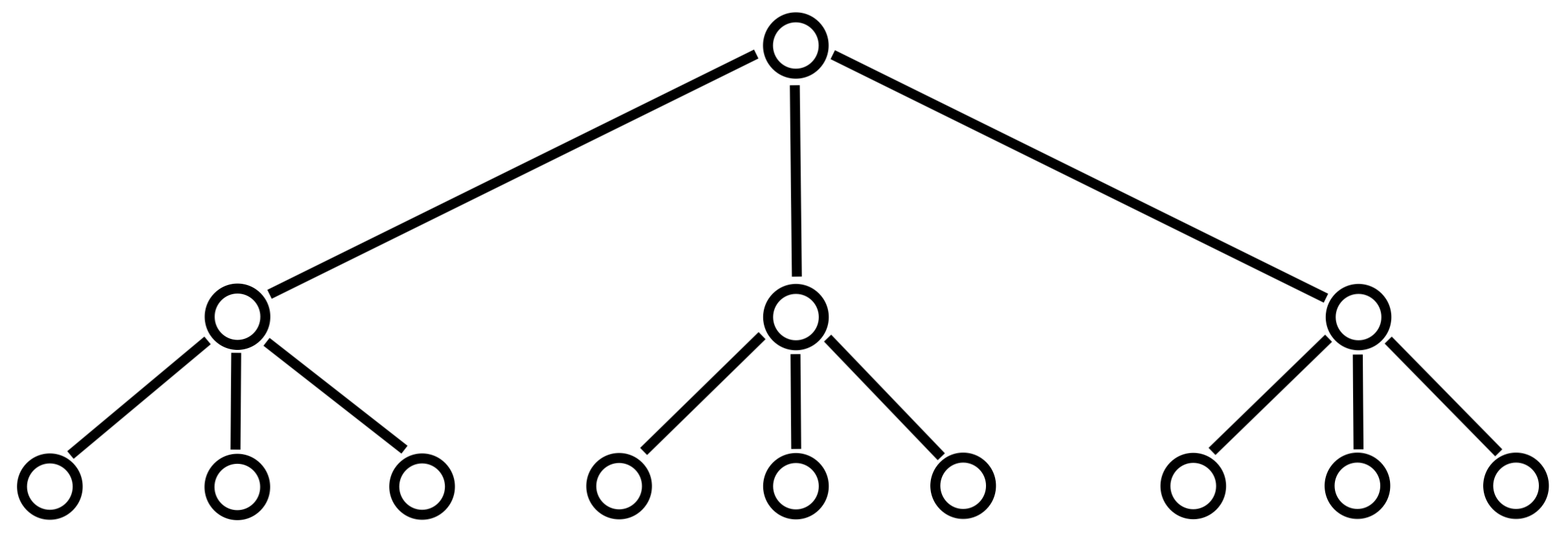
In particular, a lifetime of decisions is like what in computer science is called an "N-ary tree". The "N" in "N-ary tree" refers to the maximum number of branches coming out of each node in the tree.
A 2-ary tree looks like this:
A 3-ary tree:
An N-ary tree:

A decision in life - when meeting someone for the first time, for example:

The sheer number of decisions one makes between birth and death is enormous.
In our memories, we distill the most salient decisions. For example, choosing a spouse. There are so many more important ones, though. For example, whether to talk to that stranger who seems a bit too friendly.
"We take risks all the time when we speak to people. When we engage with someone and trust them, we are taking a risk."¹
-David Belle
Or whether to slow down and tie your shoes before you walk down the stairs. 12,000 people die in stairway-related accidents every year.² Stairway accidents are the second leading cause of injury in the United States, second only to motor vehicle accidents.²
As with stairway accidents, surprisingly-many decision paths lead to really bad outcomes: death, incapacitation, imprisonment.
There's also plain randomness: random crimes, random weather events, random diseases. Non-smoker lung cancer, for example.
Addiction, self-sabotage, fake friends.
All cultures I'm aware of venerate the elderly as a general principle. Besides other reasons to venerate the elderly, an elderly person in good social standing has exhibited a certain technical skill just to get to old age.
The ancient Greeks had a special word, technê, for practical knowledge. They had a separate word, epistêmê, for theoretical knowledge. String theory would be epistêmê. How to change a car tire would be technê.
The Greek philosopher Socrates believed that technê - practical knowledge - is the most important kind of knowledge.³
I've noticed a certain practicality of knowledge among the elderly in good social standing. Like the prize-winning cage fighter who may not know the choreographed routines of karate katas, but can reliably knock people out cold, they're good at what matters.
In 2012, I was doing a work-share on a farm in New Hampshire. One day, one of the farmers and I were weeding a flower garden on her farm, chatting as we worked side-by-side. She was 68 years old, and by all accounts had "won the game of life". She was retired from a great career, was happily married (and had been for over 40 years), had three happy children with Ivy League degrees, a big house, good health, and good friends.
At one point during our conversation in the garden, and a bit out of the blue, she told me "relationships are the most important thing in life".
Sources:
¹: youtu.be/NOYKME-WOZo?t=478
²: attorneywdkickham.com/stairway-staircase-accidents.html
³: plato.stanford.edu/entries/episteme-techne